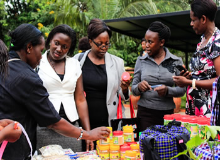
Over the past 18 months our research team has mapped over 1,400 women entrepreneurs across 12 districts in Uganda. This is the first snapshot of what we found — and why it changes how we think about designing programs.
Where the businesses actually are
The dominant narrative places women’s entrepreneurship in urban centres. Our data tells a more textured story. Roughly 58% of the businesses we mapped operate in peri-urban or rural settings, and these businesses tend to be older, more diversified, and more integrated into community life than their urban counterparts.
Sector distribution
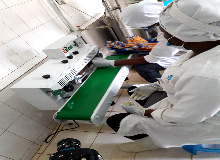
Agro-processing, food service, and small-scale retail dominate — together accounting for about 63% of the businesses in our sample. But the most interesting growth is happening at the edges: beauty and personal care, digital services, and light manufacturing are each doubling year-on-year among women under 35.
“When we say “women entrepreneurs” we are often imagining a single archetype. The real map is far more diverse.”
The constraints that show up everywhere
Three constraints surfaced in every district: access to affordable finance, access to quality packaging, and access to reliable market information. They are all solvable — but they need coordinated responses, not one-off interventions.
Why this matters for policy
Policy designed for a single archetype under-serves the real population. The women running peri-urban dairy cooperatives need different support than the women running e-commerce businesses in Kampala — and both are important to get right.
What’s next
We’re publishing the full report in the second quarter, and we’ll be running working sessions with the Ministry of Gender and the Ministry of Trade to translate the findings into specific policy asks. If you’re researching in this space, get in touch.